

In today’s digital-first economy, enterprise systems manage sensitive data, financial transactions, customer records, and mission-critical operations. A single security vulnerability can result in data breaches, regulatory penalties, operational downtime, and long-term reputational damage.
That’s why modern enterprise solutions must be built with security at the core — not as an afterthought.
Below are the top security features every enterprise-grade system should include.
🔐 1️⃣ Multi-Factor Authentication (MFA)




Passwords alone are no longer secure.
Multi-Factor Authentication adds additional verification steps such as:
- One-time passcodes (OTP)
- Biometric verification (fingerprint/face ID)
- Hardware security tokens
- Authentication apps
This dramatically reduces unauthorized access, even if passwords are compromised.
🛡 2️⃣ Role-Based Access Control (RBAC)
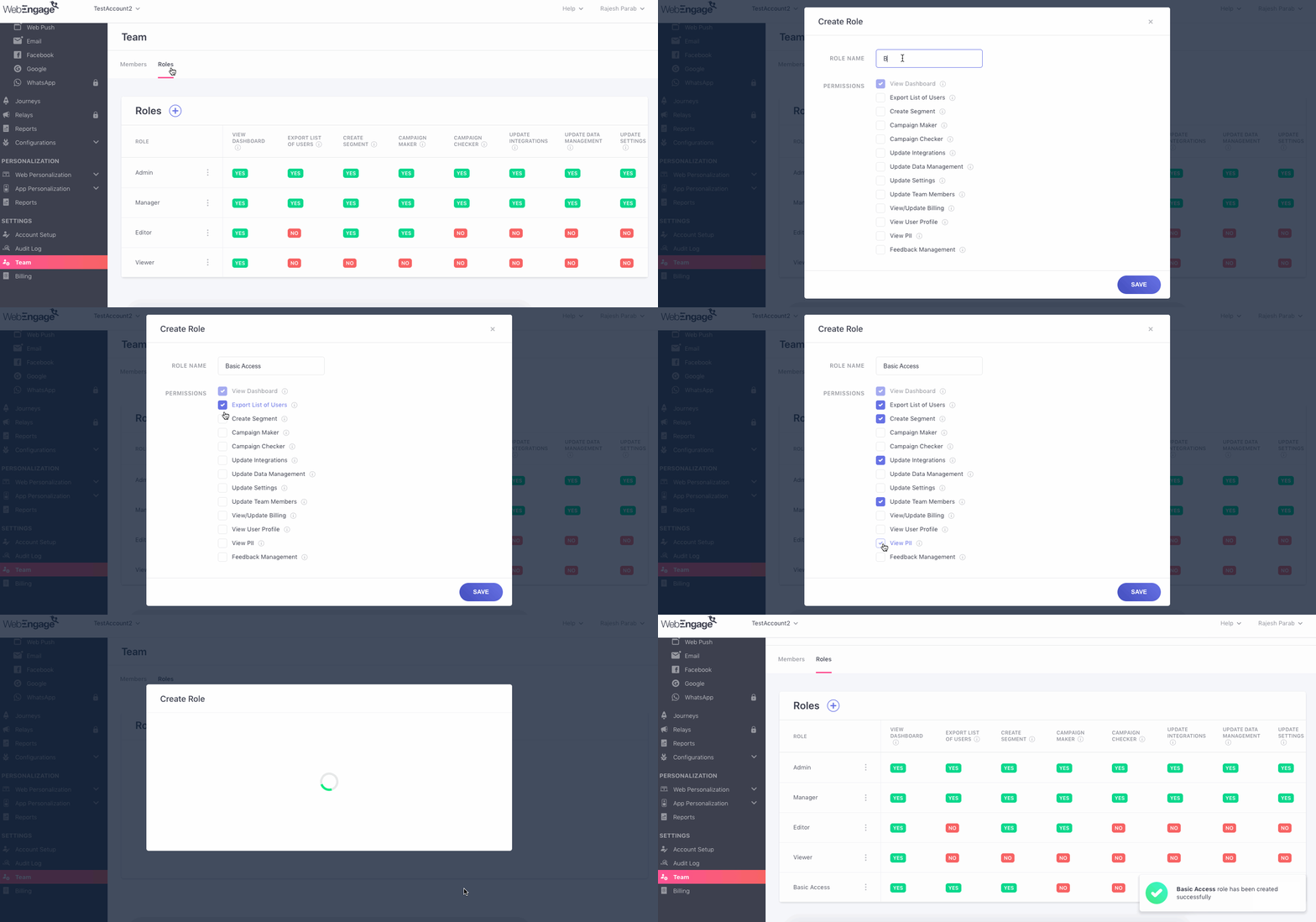
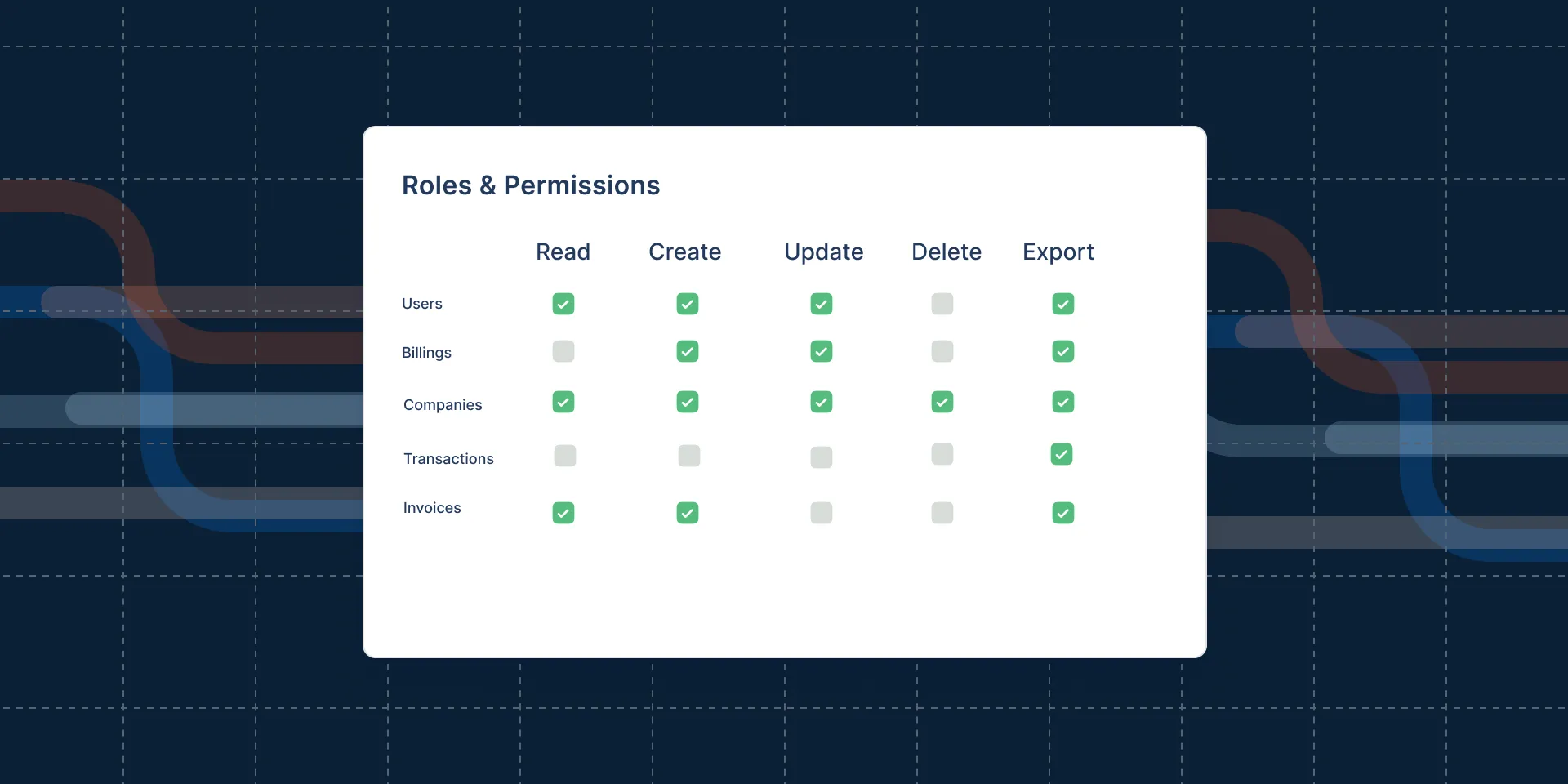
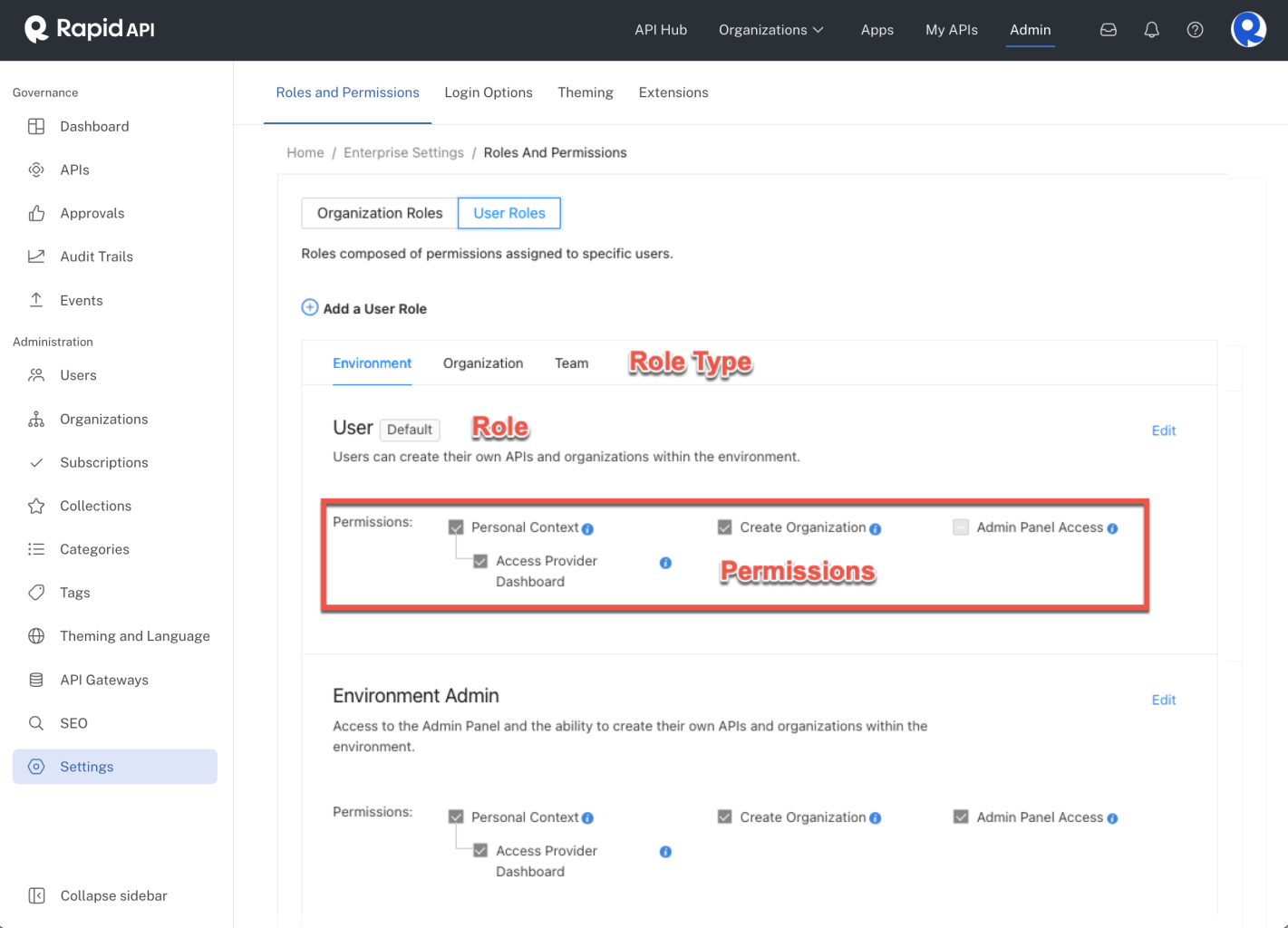
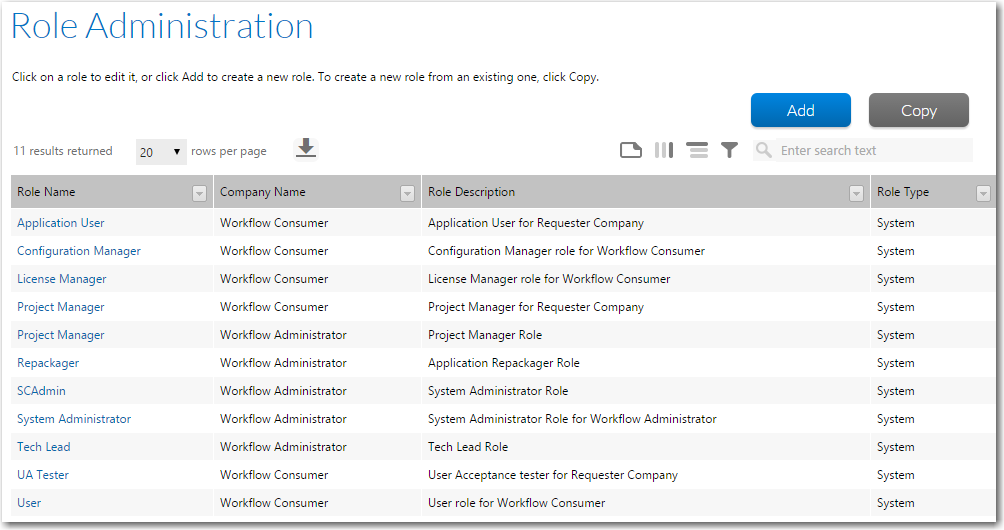
Not every employee needs access to everything.
RBAC ensures:
- Users only access what they need
- Sensitive data remains restricted
- Admin privileges are tightly controlled
- Internal risks are minimized
This reduces both accidental data exposure and insider threats.
🔒 3️⃣ End-to-End Encryption


Encryption protects data both:
- In transit (SSL/TLS secure connections)
- At rest (encrypted databases and storage)
Even if attackers gain access, encrypted data remains unreadable without the correct keys.
📊 4️⃣ Real-Time Monitoring & Threat Detection
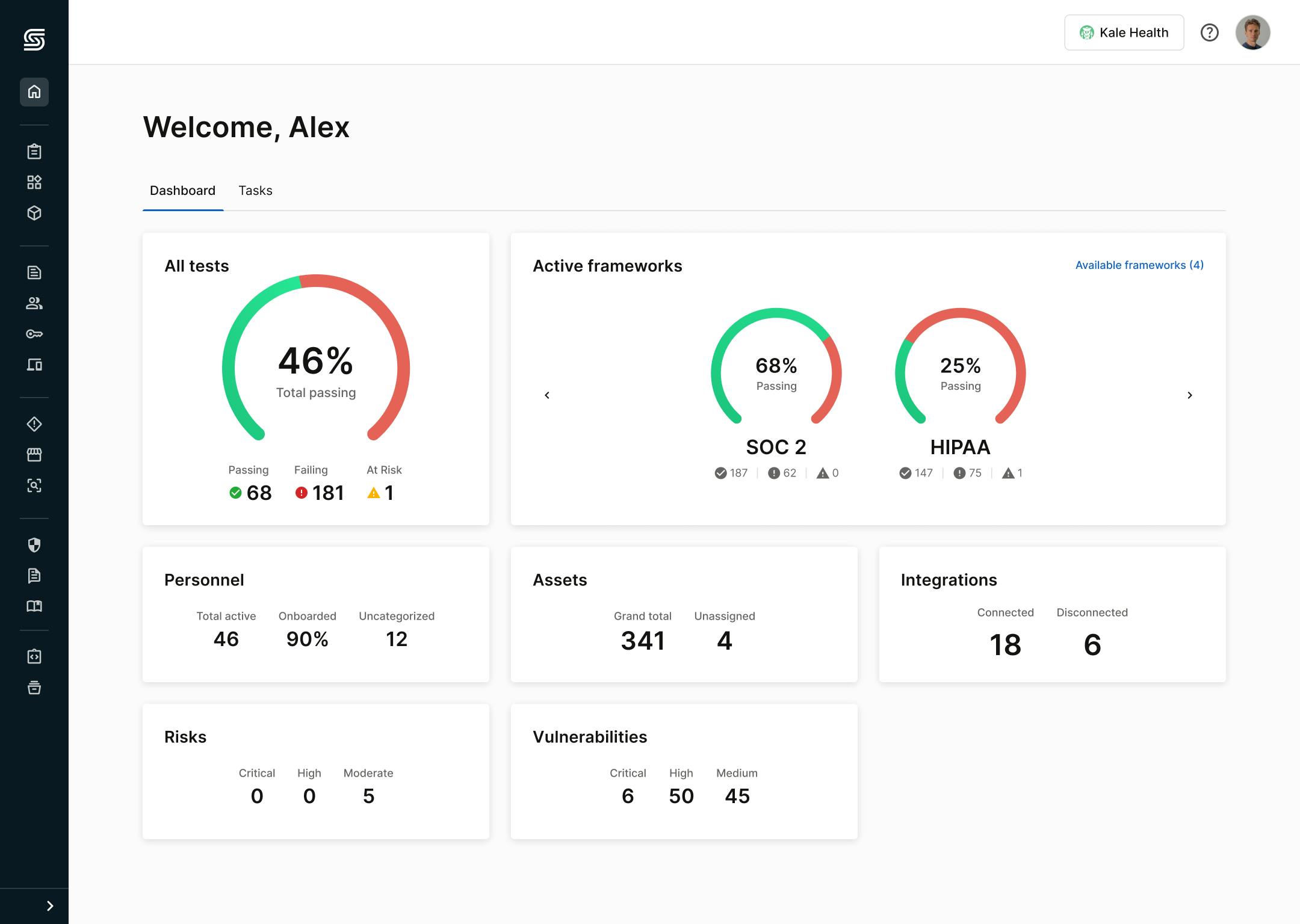


Modern enterprise systems should include:
- Intrusion detection systems (IDS)
- Suspicious activity alerts
- Login anomaly tracking
- Automated security notifications
Real-time monitoring allows organizations to detect and respond to threats immediately — before damage spreads.
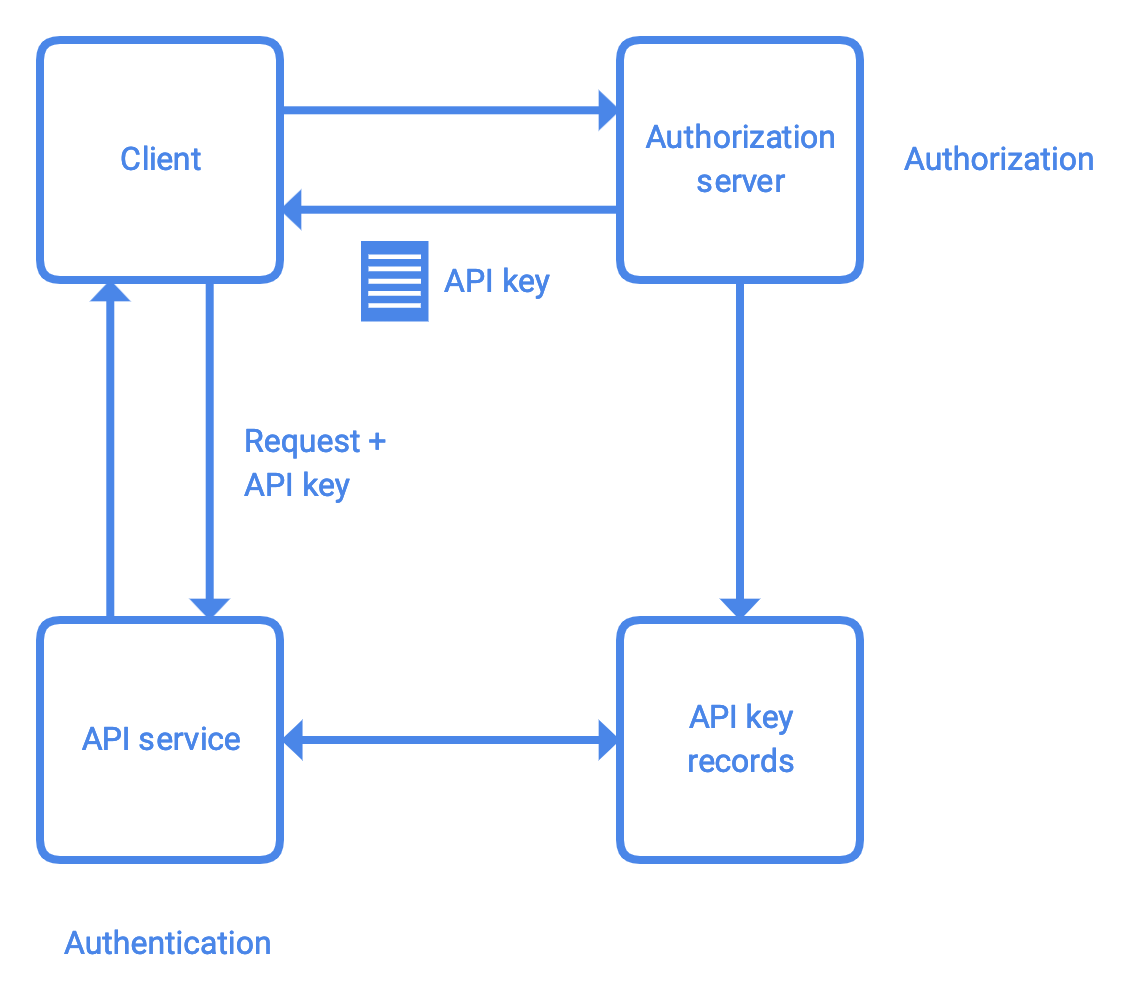
🔄 5️⃣ Secure API Integrations
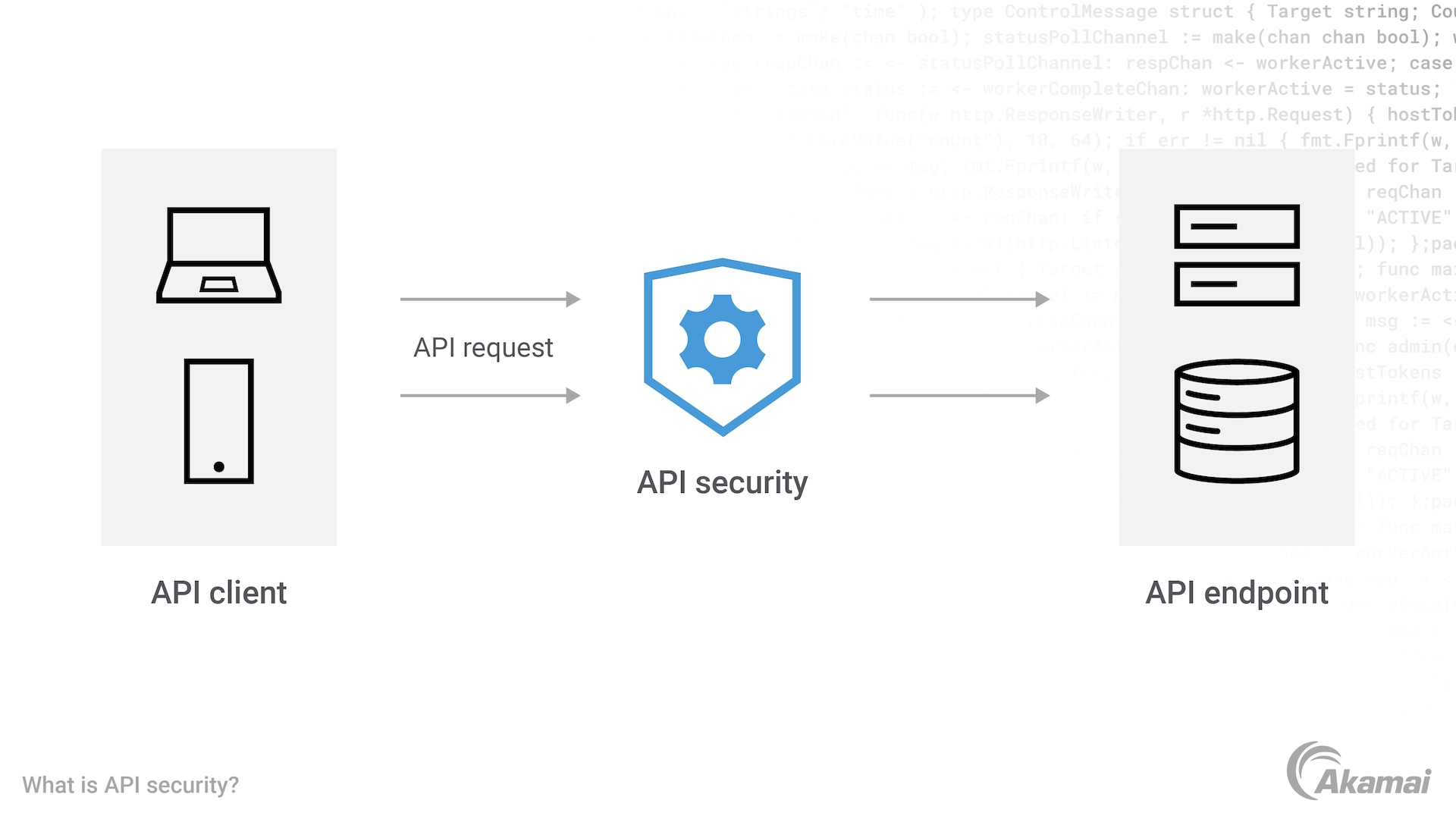
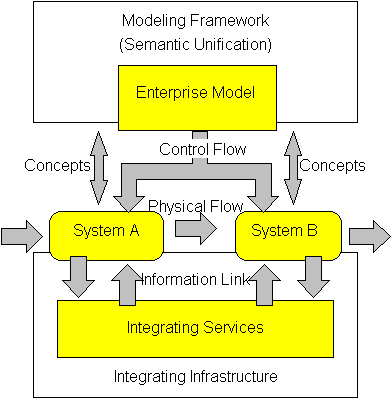

Enterprise software often connects with:
- Payment gateways
- CRM systems
- Accounting tools
- Third-party platforms
Secure APIs should include:
- Token-based authentication (OAuth)
- Rate limiting
- API gateways
- Request validation
Weak APIs are one of the most common entry points for cyberattacks.
☁️ 6️⃣ Cloud Security & Backup Systems


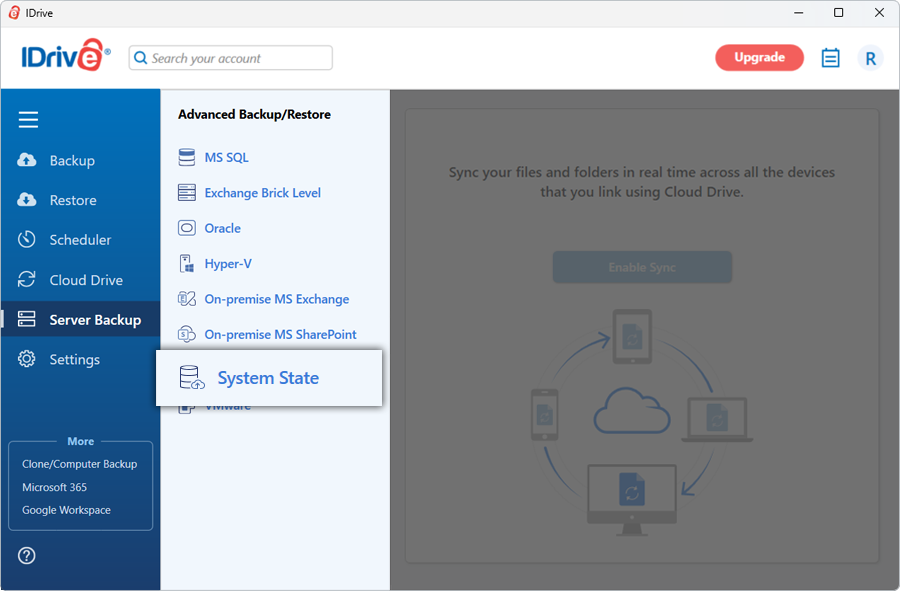

Enterprise solutions should be hosted on secure cloud infrastructure that provides:
- Regular automated backups
- Disaster recovery plans
- Redundant storage systems
- Secure data centers
This ensures business continuity even during unexpected disruptions.
🧾 7️⃣ Compliance & Audit Trails
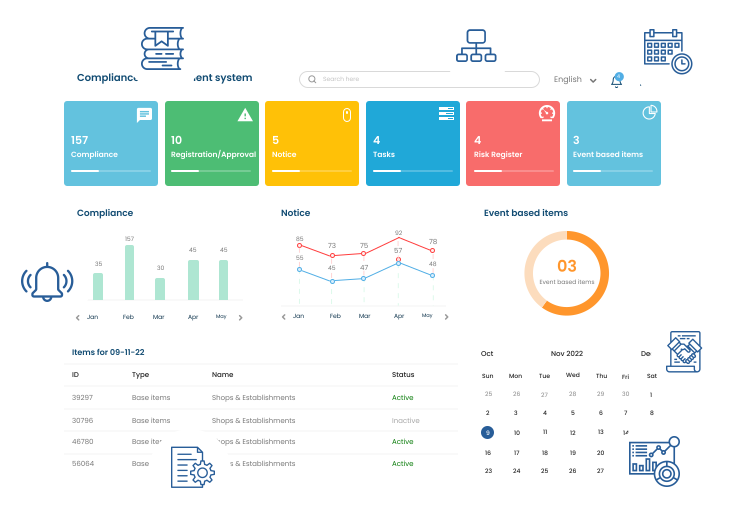
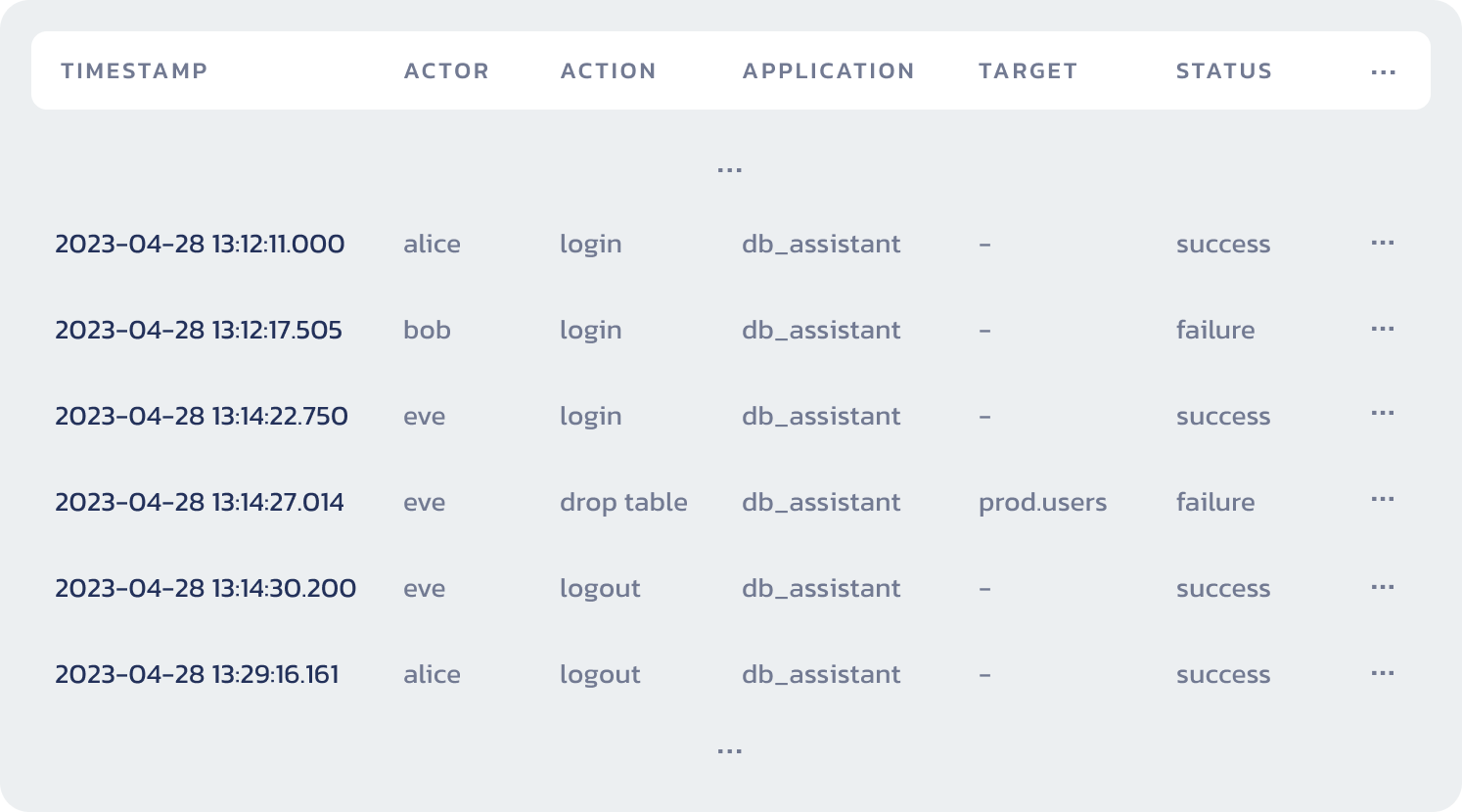
For many industries, compliance is mandatory.
Enterprise systems should include:
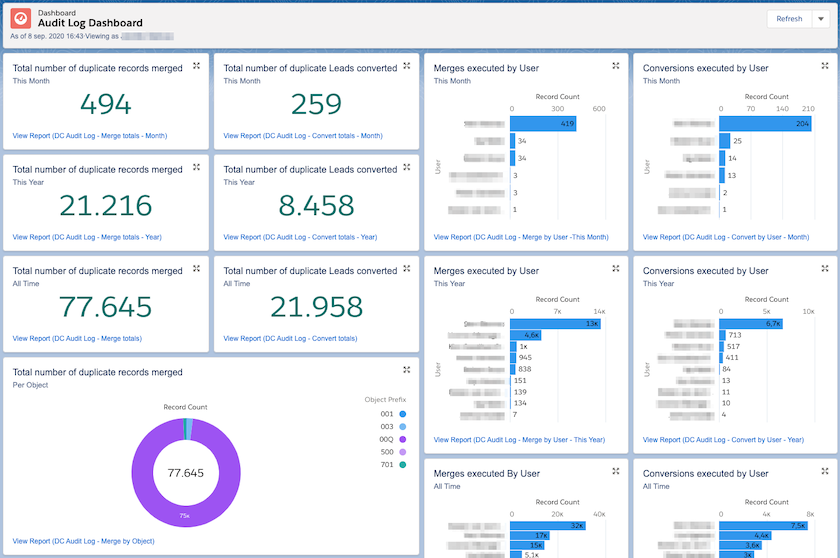
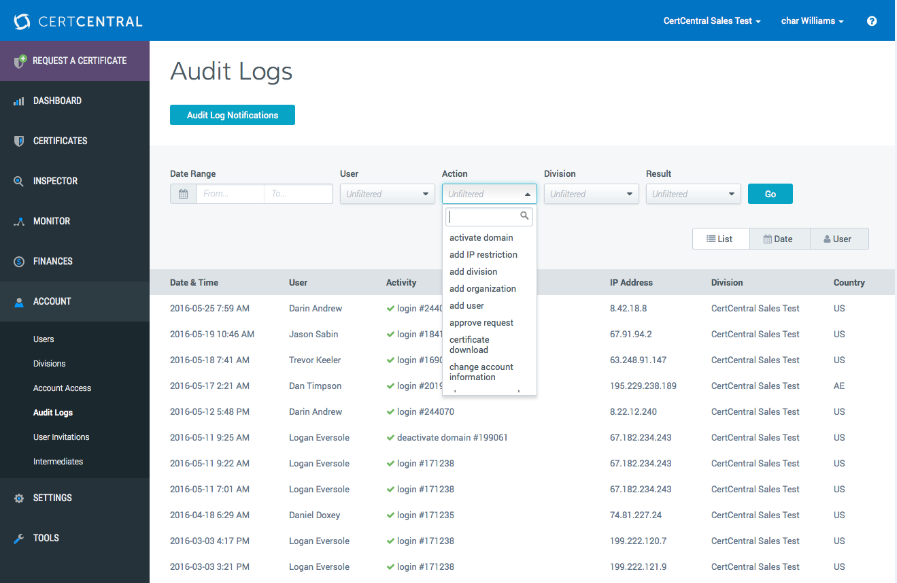
- Detailed audit logs
- User activity tracking
- Data access history
- Regulatory compliance tools
This is essential for industries like finance, healthcare, and e-commerce.
🚀 8️⃣ Regular Security Updates & Patch Management
Cyber threats evolve constantly.
Enterprise solutions must:
- Apply regular security patches
- Update dependencies
- Monitor vulnerabilities
- Conduct routine penetration testing
Proactive maintenance prevents exploitation of known vulnerabilities.
📈 Why Enterprise Security Is a Strategic Investment
Strong security:
- Protects brand reputation
- Builds customer trust
- Prevents costly data breaches
- Ensures regulatory compliance
- Maintains operational continuity
Security is not just an IT concern — it’s a business priority.
🧠 Final Thoughts
Enterprise-grade solutions must be built with layered security measures that protect data, systems, and users at every level. From multi-factor authentication to real-time threat detection, modern security features create a resilient digital infrastructure.
Organizations that invest in robust security frameworks position themselves for sustainable growth and long-term success in an increasingly digital world.