

Why Scalability Is Key in Software Development
In the digital economy, growth can happen overnight. A successful marketing campaign, viral product launch, or funding announcement can drive a sudden surge in users. If your software isn’t built to scale, that growth can quickly turn into system crashes, slow performance, and lost revenue.
Scalability is not just a technical feature — it’s a strategic foundation for long-term success.
🚀 What Is Scalability?
Scalability refers to a system’s ability to handle increased workload, users, or data without sacrificing performance.
A scalable application can:
- Support more users
- Process higher transaction volumes
- Store growing amounts of data
- Expand features without breaking existing systems
It ensures that growth strengthens your business — instead of overwhelming it.
📈 1️⃣ Handling Rapid Growth

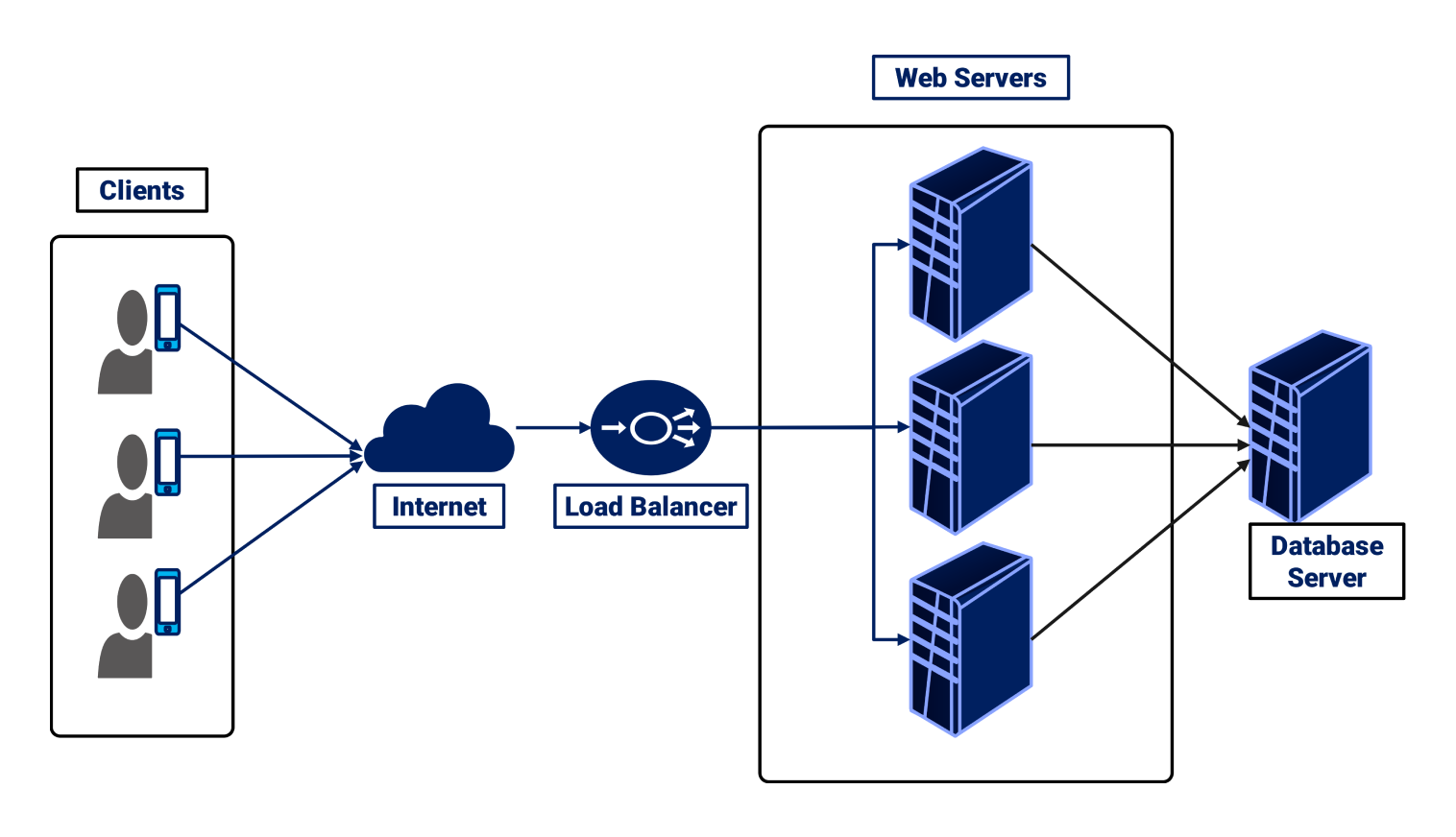
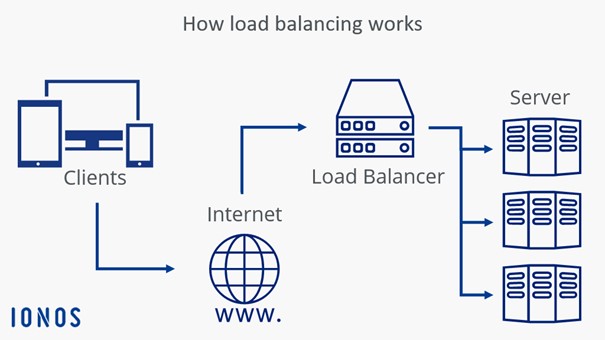
Imagine launching your product and suddenly gaining thousands of new users.
Without scalability:
- Pages slow down
- Transactions fail
- Servers crash
- Users leave
With scalable architecture:
- Auto-scaling servers handle traffic spikes
- Load balancers distribute requests
- Performance remains stable
Growth becomes an opportunity — not a risk.
💰 2️⃣ Cost Efficiency Over Time

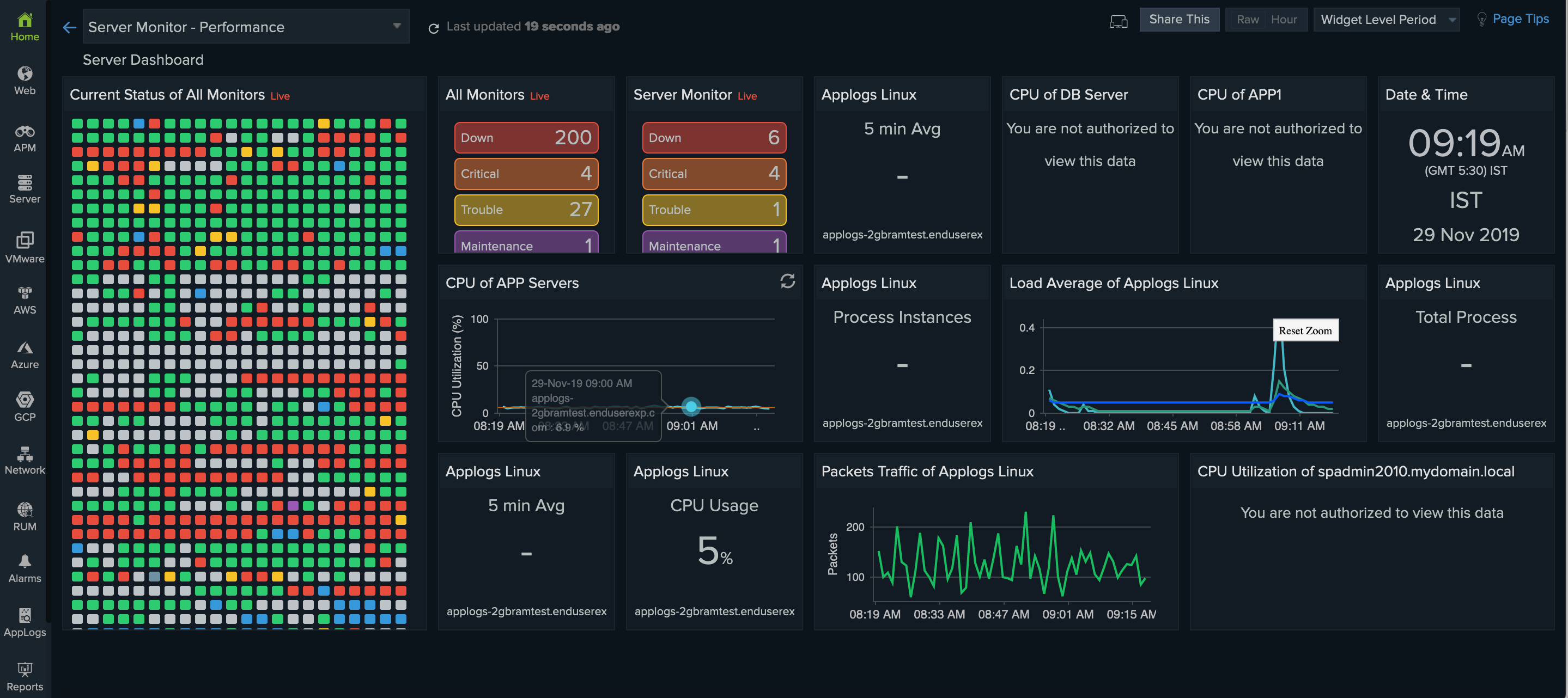


Scalable systems allow businesses to:
- Pay only for the resources they use
- Increase capacity when needed
- Reduce unnecessary infrastructure costs
Instead of over-investing early, you scale resources gradually as your business grows.
⚙️ 3️⃣ Flexible Architecture & Future-Proofing


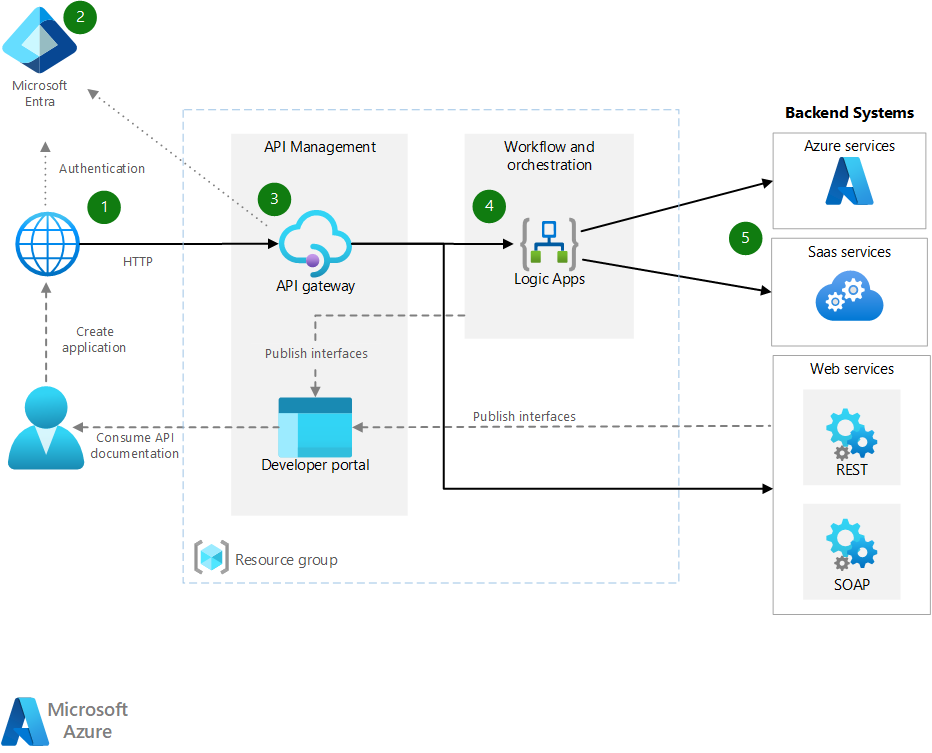

Modern scalable software often uses:
- Microservices architecture
- Cloud-native infrastructure
- Modular system design
- API-driven integrations
This approach allows developers to add new features without disrupting existing functionality.
🌍 4️⃣ Supporting Global Expansion


As businesses expand internationally, scalable systems help:
- Deliver faster performance across regions
- Support multiple languages
- Handle global traffic
- Maintain consistent uptime
Cloud-based distribution ensures users receive the same experience worldwide.
🔐 5️⃣ Maintaining Performance & Reliability
Scalability is closely tied to performance.
A scalable system ensures:
- Fast loading speeds
- High availability
- Minimal downtime
- Reliable user experience
Performance directly impacts customer satisfaction, retention, and revenue.
📊 Business Impact of Scalable Software
Companies that prioritize scalability benefit from:
- Faster time-to-market
- Increased customer trust
- Reduced technical debt
- Lower long-term maintenance costs
- Stronger competitive advantage
Scalability transforms software from a short-term tool into a long-term growth engine.
⚠️ Risks of Ignoring Scalability
Without scalability planning, businesses may face:
- Costly system rebuilds
- Emergency migrations
- Lost customers due to downtime
- Reputation damage
- Revenue loss
Retrofitting scalability is often far more expensive than building it correctly from the start.
🚀 Final Thoughts
Scalability is not optional in modern software development — it is essential. Businesses grow, markets evolve, and user expectations rise. Scalable systems provide the flexibility and resilience needed to adapt and expand confidently.
When software is designed with scalability at its core, it becomes a powerful foundation for sustainable growth.
Leave a Reply