

In today’s fast-moving digital world, software is no longer just a support tool — it is the backbone of business growth, customer experience, and competitive advantage. Innovation in modern software development determines whether companies simply survive or truly lead their industries.
At its core, innovation means building smarter, faster, and more scalable solutions that solve real-world problems efficiently.
🚀 Why Innovation Matters More Than Ever
Technology evolves rapidly. Businesses that rely on outdated systems struggle with:
- Poor user experience
- Slow performance
- Security vulnerabilities
- Limited scalability
- High maintenance costs
Innovative software, on the other hand, enables organizations to:
- Automate operations
- Make data-driven decisions
- Improve customer engagement
- Scale without friction
- Launch products faster
Innovation is not just about new technology — it’s about applying technology strategically to create measurable impact.
💡 Key Areas Where Innovation Shapes Modern Software
1️⃣ Cloud-Native Development

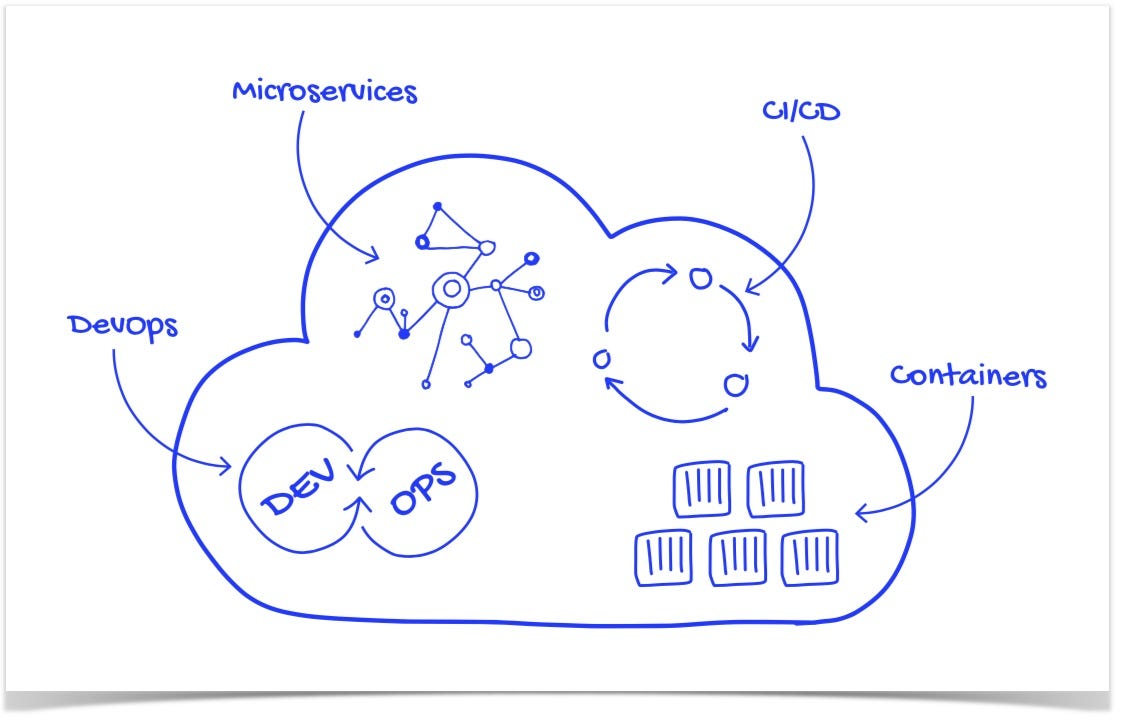


Modern applications are increasingly built for the cloud. Cloud-native development allows software to be:
- Scalable on demand
- Cost-efficient
- Highly available
- Globally accessible
Technologies like microservices and serverless computing enable businesses to scale resources instantly based on demand.
2️⃣ Artificial Intelligence & Automation


AI-driven innovation is transforming software across industries. Modern systems can now:
- Predict customer behavior
- Automate repetitive tasks
- Detect fraud
- Personalize user experiences
- Provide intelligent recommendations
Automation reduces human error and allows teams to focus on higher-value work.
3️⃣ User-Centered Design (UX Innovation)

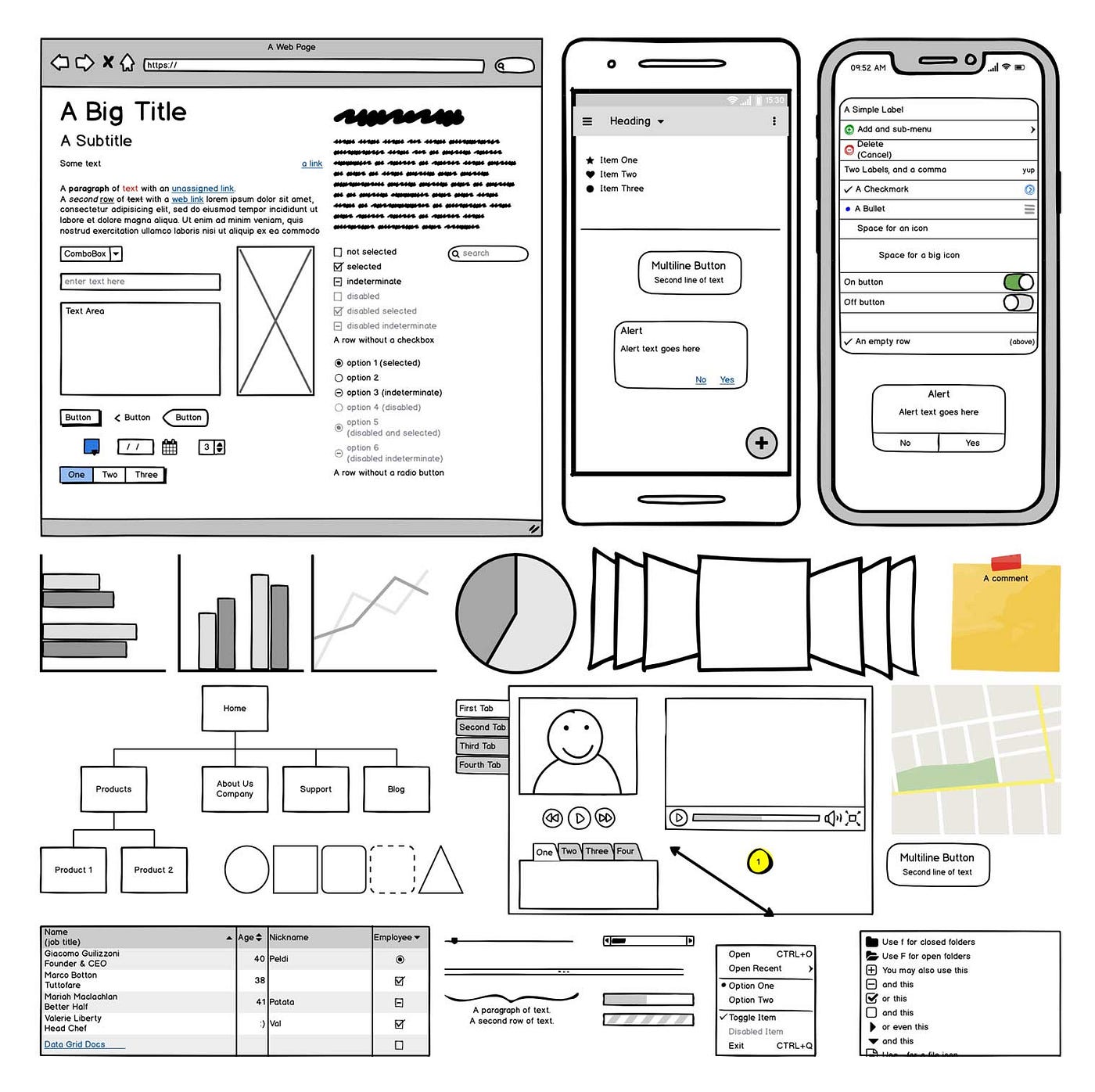


Innovation isn’t just technical — it’s experiential.
Modern software prioritizes:
- Clean and intuitive interfaces
- Fast loading times
- Mobile responsiveness
- Accessibility
User experience directly impacts engagement, retention, and conversions.
4️⃣ Agile & Rapid Development
Traditional software projects took months or years to deliver. Modern innovation emphasizes:
- Agile methodology
- Continuous integration and deployment (CI/CD)
- Rapid prototyping
- MVP-first strategy
This approach allows businesses to test ideas quickly, gather feedback, and improve continuously.
📊 Innovation as a Competitive Advantage
Companies that invest in innovative software gain:
- Faster time-to-market
- Lower operational costs
- Higher customer satisfaction
- Stronger data insights
- Greater adaptability to change
Innovation creates resilience. Businesses can pivot, experiment, and evolve without being constrained by rigid systems.
🔐 Security & Scalability: Modern Innovation Priorities
Today’s software must be:
- Secure by design
- Built with encryption and authentication best practices
- Scalable to handle growth
- Designed for high performance
Cybersecurity and data protection are now central to innovation — not afterthoughts.
🌍 The Future of Software Innovation
Emerging trends shaping the future include:
- AI-powered development tools
- No-code and low-code platforms
- Edge computing
- Blockchain-based systems
- Advanced analytics and real-time insights
Businesses that embrace these innovations will lead tomorrow’s markets.
🚀 Final Thoughts
Innovation in modern software is not optional — it is essential. It drives efficiency, improves user experiences, and fuels sustainable business growth.
Organizations that prioritize innovation don’t just build software — they build digital ecosystems that empower teams, delight customers, and scale with confidence.
Leave a Reply