

The Future of SaaS: Trends to Watch
Software as a Service (SaaS) has transformed how businesses operate, collaborate, and scale. From startups to global enterprises, organizations rely on SaaS platforms for flexibility, cost-efficiency, and continuous innovation.
But the SaaS landscape is evolving rapidly. Emerging technologies, shifting customer expectations, and competitive pressures are shaping the next generation of cloud-based solutions.
Here are the key trends defining the future of SaaS.
🤖 1️⃣ AI-Powered SaaS Platforms

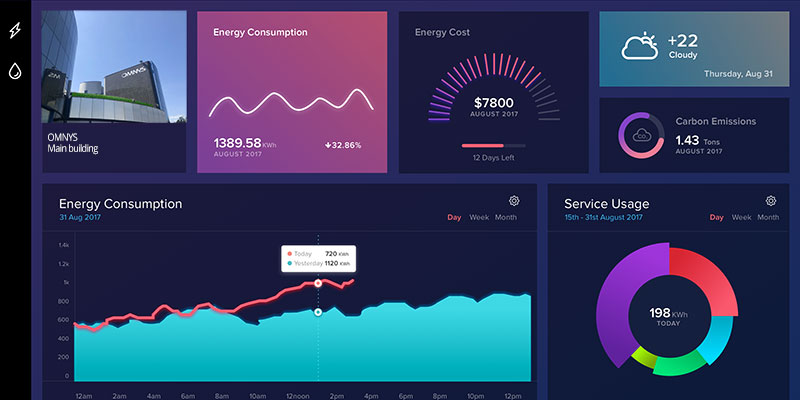

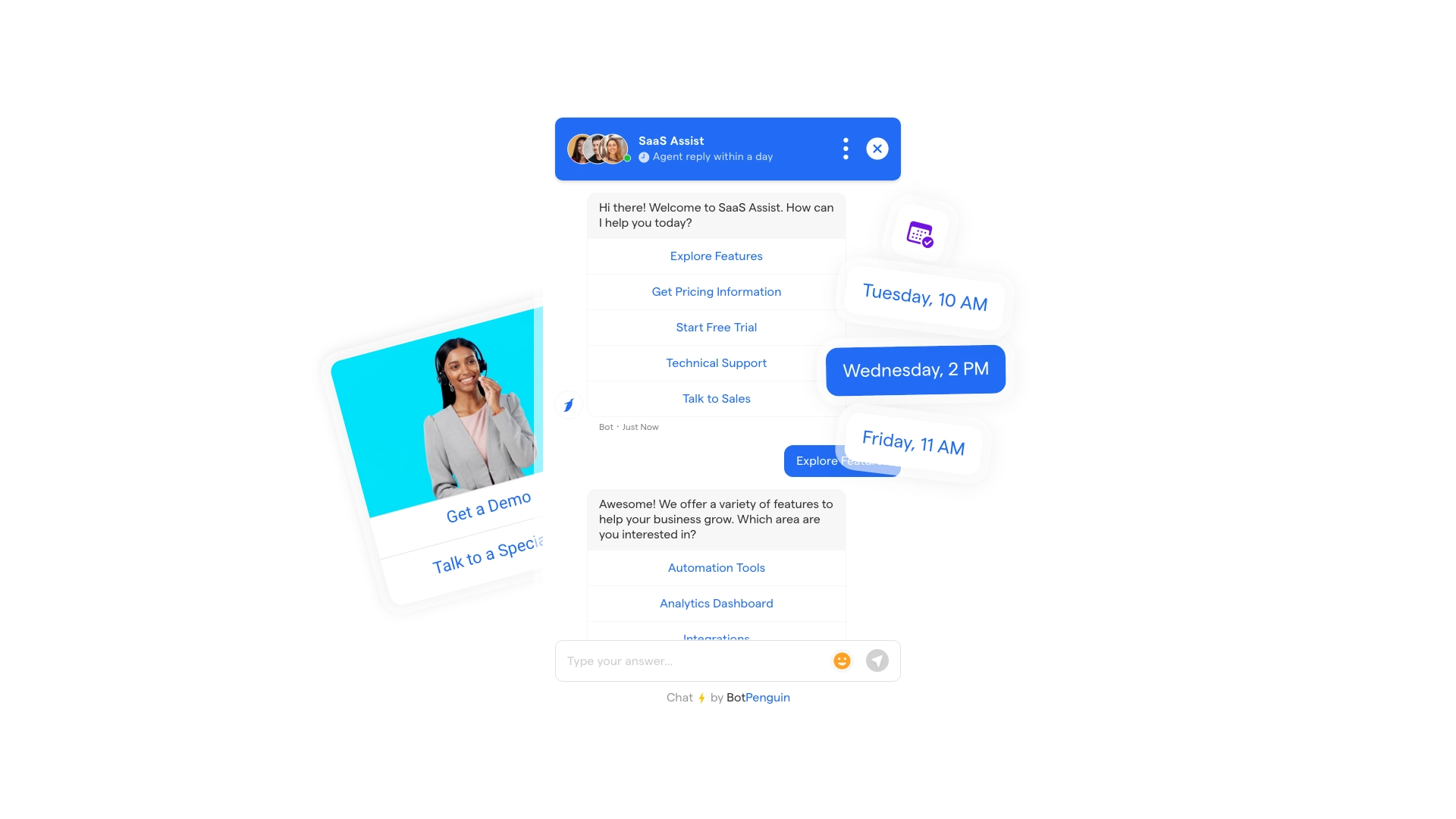
Artificial Intelligence is no longer optional in SaaS — it’s becoming a core feature.
Future SaaS platforms will increasingly offer:
- Predictive analytics
- Smart automation
- AI-driven recommendations
- Natural language interfaces
- Automated customer support
AI enhances user experience while improving operational efficiency.
☁️ 2️⃣ Vertical SaaS (Industry-Specific Solutions)
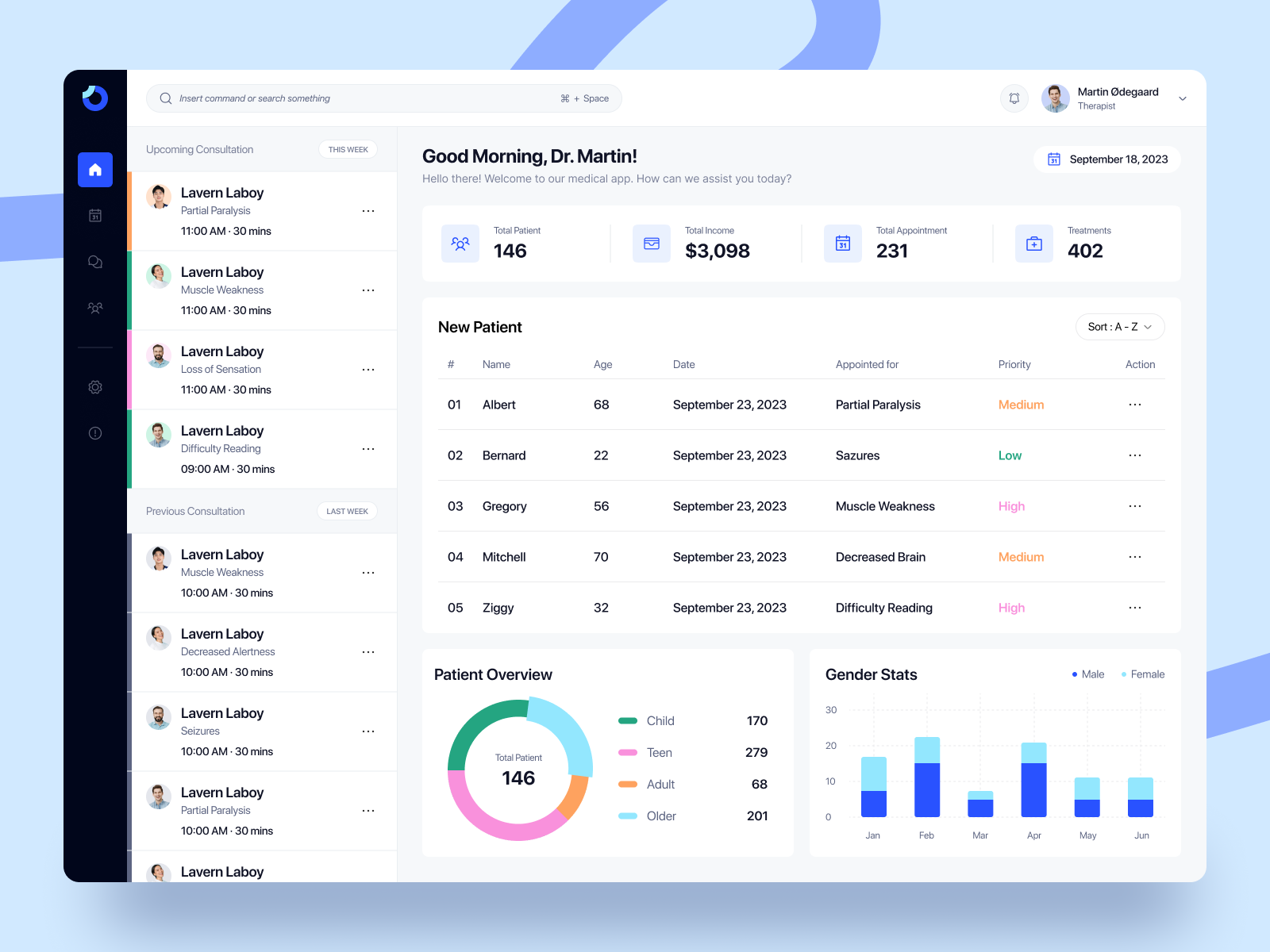
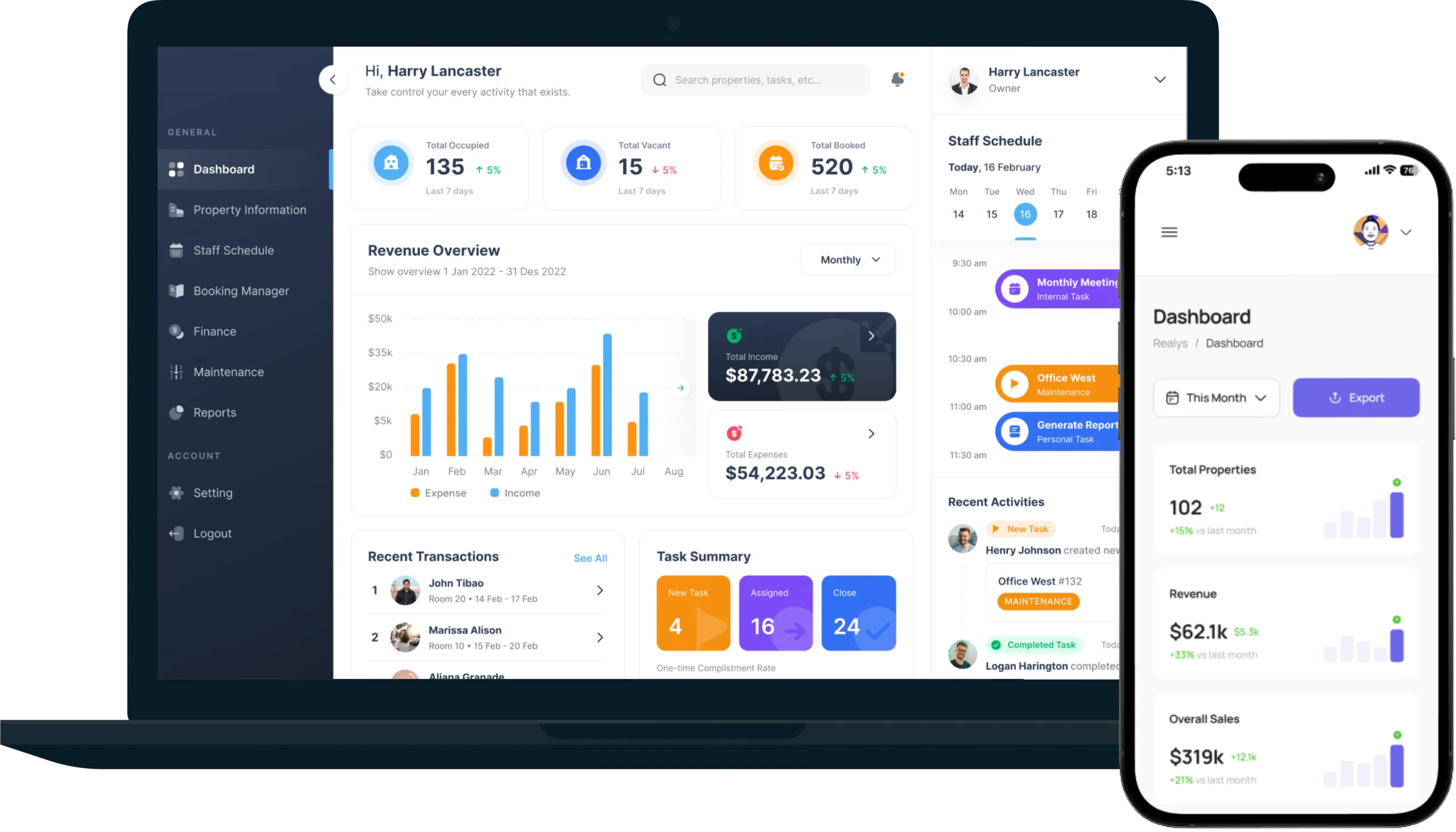
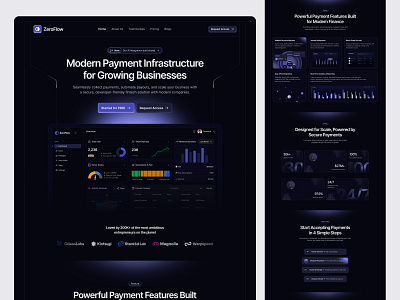

Instead of generic tools, businesses now prefer SaaS solutions tailored to specific industries.
Vertical SaaS platforms are built for:
- Healthcare
- Real estate
- Finance
- E-commerce
- Logistics
These solutions offer specialized workflows, compliance features, and integrations that horizontal platforms often lack.
🔐 3️⃣ Stronger Security & Compliance
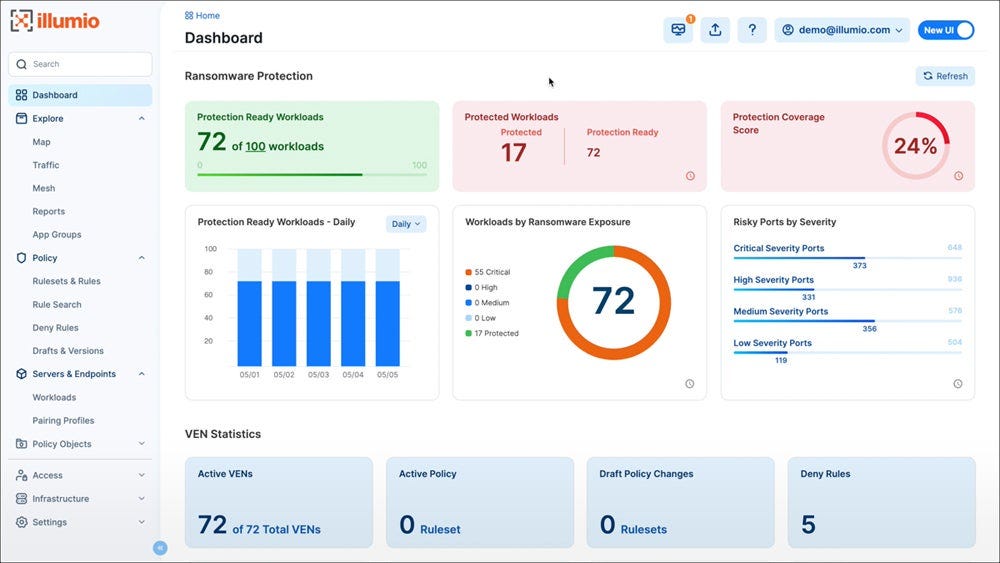


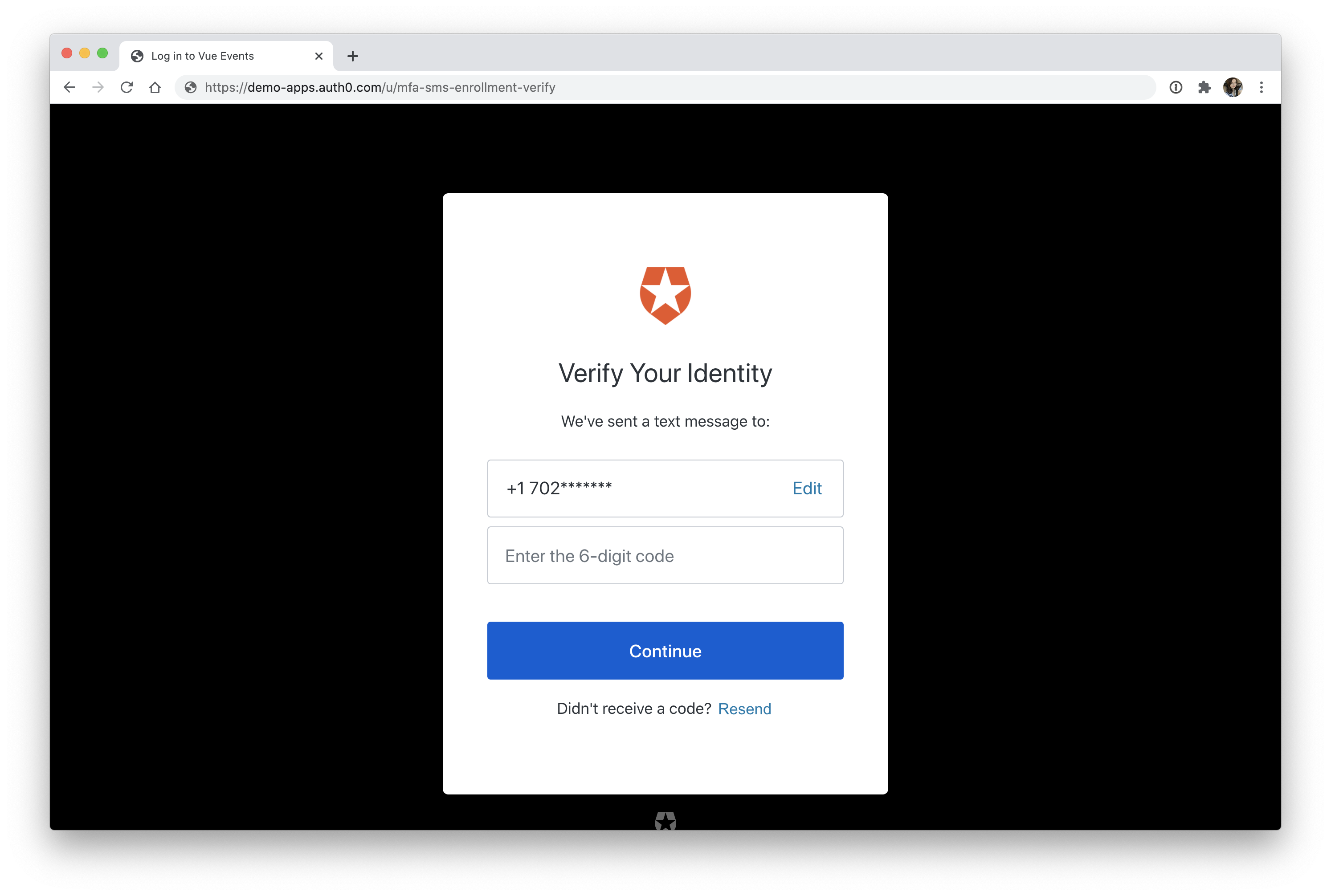
With increasing cyber threats and data regulations, SaaS providers must prioritize:
- End-to-end encryption
- Multi-factor authentication
- Role-based access controls
- Compliance reporting tools
Security will become a competitive differentiator — not just a technical requirement.
📱 4️⃣ Mobile-First & Remote-Ready Design
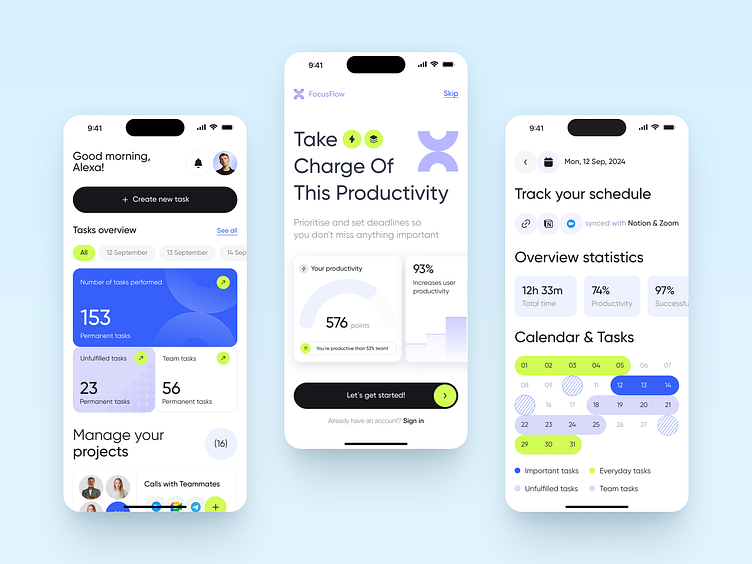
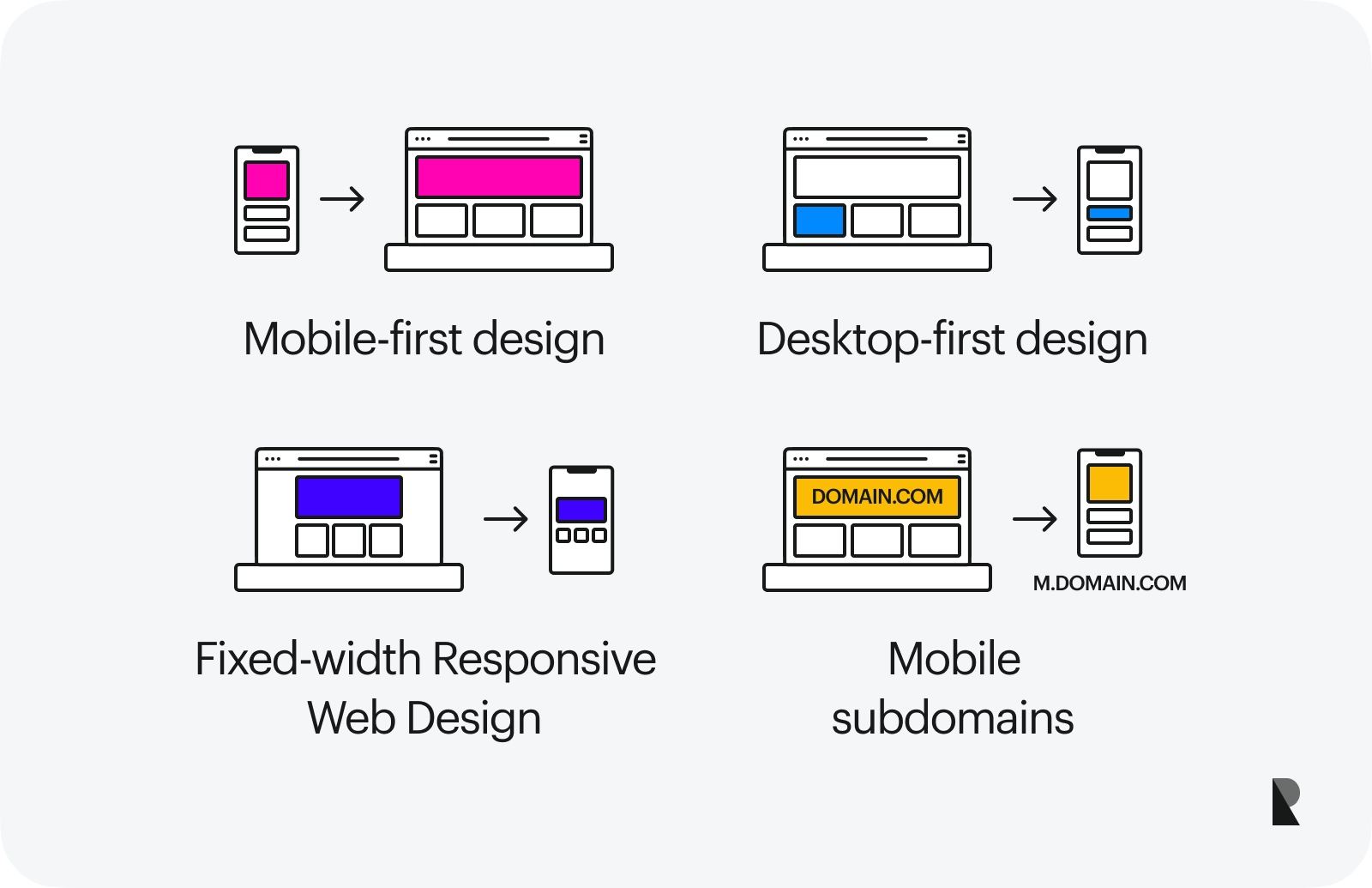


As remote work continues to grow, SaaS platforms must deliver:
- Seamless mobile experiences
- Real-time collaboration tools
- Cloud-based accessibility
- Cross-device compatibility
User experience will be a major driver of adoption and retention.
⚙️ 5️⃣ API-First & Integration Ecosystems


Modern businesses rely on multiple tools. The future of SaaS depends on:
- Open APIs
- Seamless integrations
- Microservices architecture
- App marketplace ecosystems
SaaS products that connect easily with other systems will dominate the market.
💰 6️⃣ Usage-Based & Flexible Pricing Models
Subscription models are evolving.
Future pricing trends include:
- Pay-as-you-go billing
- Tiered usage pricing
- Modular feature-based pricing
- Freemium-to-premium transitions
Flexible pricing increases accessibility and supports scalable growth.
🌍 7️⃣ Global Infrastructure & Edge Computing


To serve global users efficiently, SaaS providers are adopting:
- Distributed cloud infrastructure
- Edge computing
- Content delivery networks (CDNs)
- Region-specific data hosting
This ensures faster load times and better performance worldwide.
📊 8️⃣ Advanced Analytics & Real-Time Insights
Data is becoming central to SaaS value.
Modern platforms will increasingly offer:
- Real-time dashboards
- Customizable KPIs
- Predictive reporting
- Data-driven recommendations
Businesses want actionable insights — not just stored data.
🚀 What This Means for Businesses
Companies investing in SaaS must:
- Choose scalable platforms
- Prioritize security and compliance
- Evaluate integration capabilities
- Focus on long-term flexibility
For SaaS founders, innovation, user experience, and adaptability will define success in the next decade.
🧠 Final Thoughts
The future of SaaS is intelligent, integrated, secure, and industry-focused. As technology evolves, SaaS platforms will move beyond simple software tools to become comprehensive digital ecosystems that power entire businesses.
Organizations that stay ahead of these trends will gain competitive advantage, operational efficiency, and sustainable growth.
Leave a Reply