

Digital transformation is more than adopting new technology — it’s a strategic shift in how businesses operate, deliver value, and compete in a digital-first world. It involves integrating digital tools, data, and automation into every aspect of your organization to improve efficiency, customer experience, and long-term growth.
For modern businesses, digital transformation is no longer optional — it’s essential.
🚀 What Is Digital Transformation?
Digital transformation is the process of using technology to fundamentally improve:
- Operations
- Customer engagement
- Business models
- Decision-making processes
It’s not just about installing software — it’s about rethinking how your business works.
💼 Why Digital Transformation Matters
Businesses that fail to evolve often face:
- Slow operations
- High manual workload
- Poor data visibility
- Customer dissatisfaction
- Competitive disadvantages
Digital transformation helps you:
- Automate repetitive tasks
- Improve productivity
- Gain real-time insights
- Enhance customer experiences
- Scale more efficiently
🔄 Key Areas of Digital Transformation
1️⃣ Process Automation

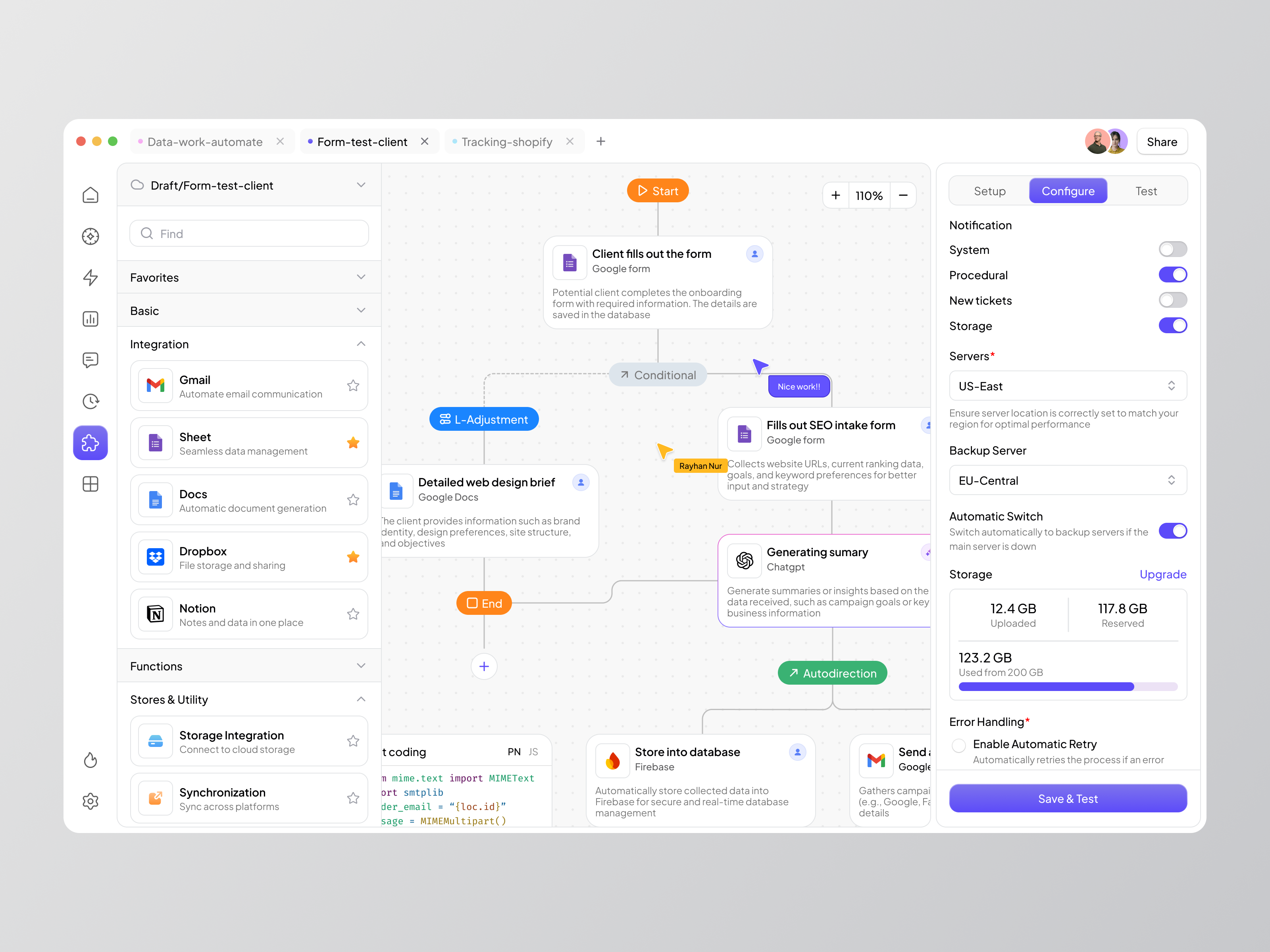
Manual processes waste time and increase human error. Automation tools streamline workflows, reduce costs, and allow teams to focus on higher-value activities.
Examples include:
- Automated invoicing
- CRM integration
- Inventory management systems
- HR management platforms
2️⃣ Data & Analytics Integration
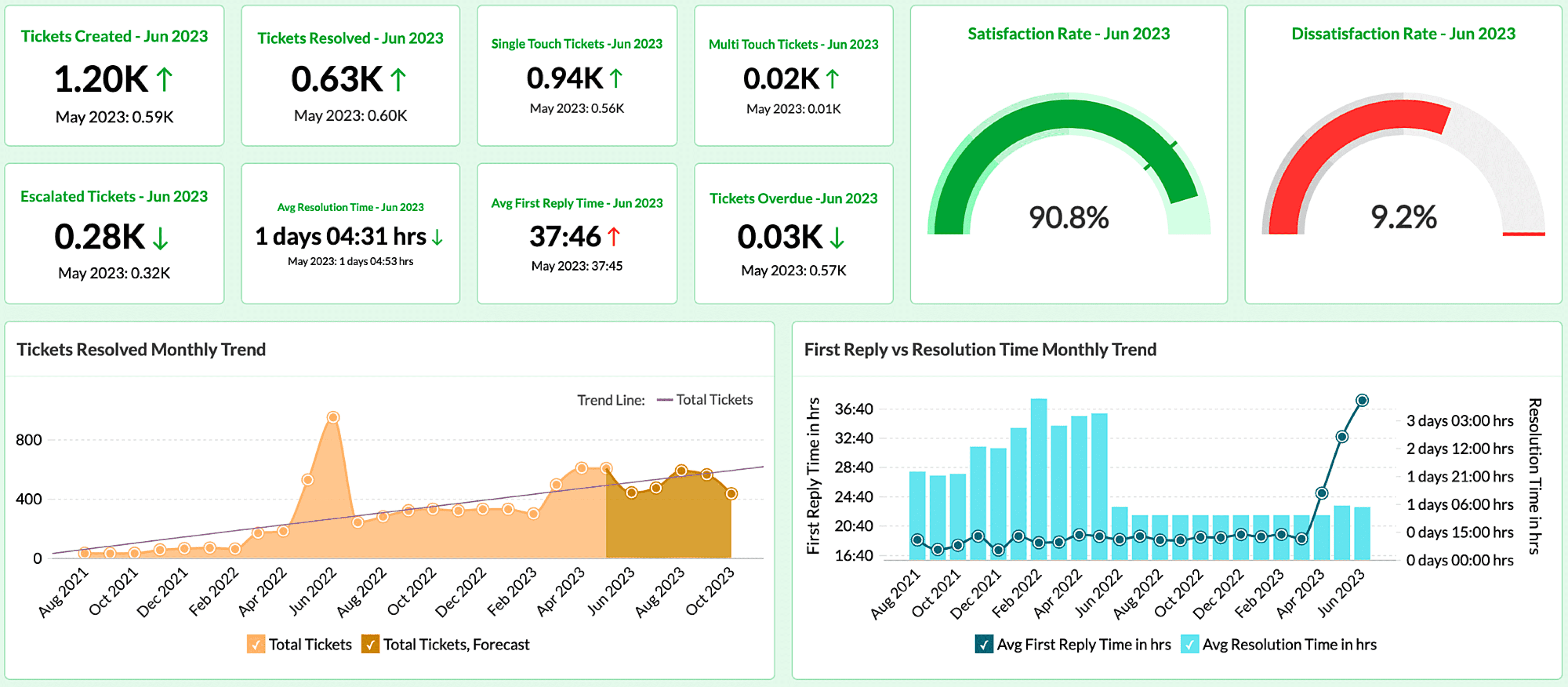
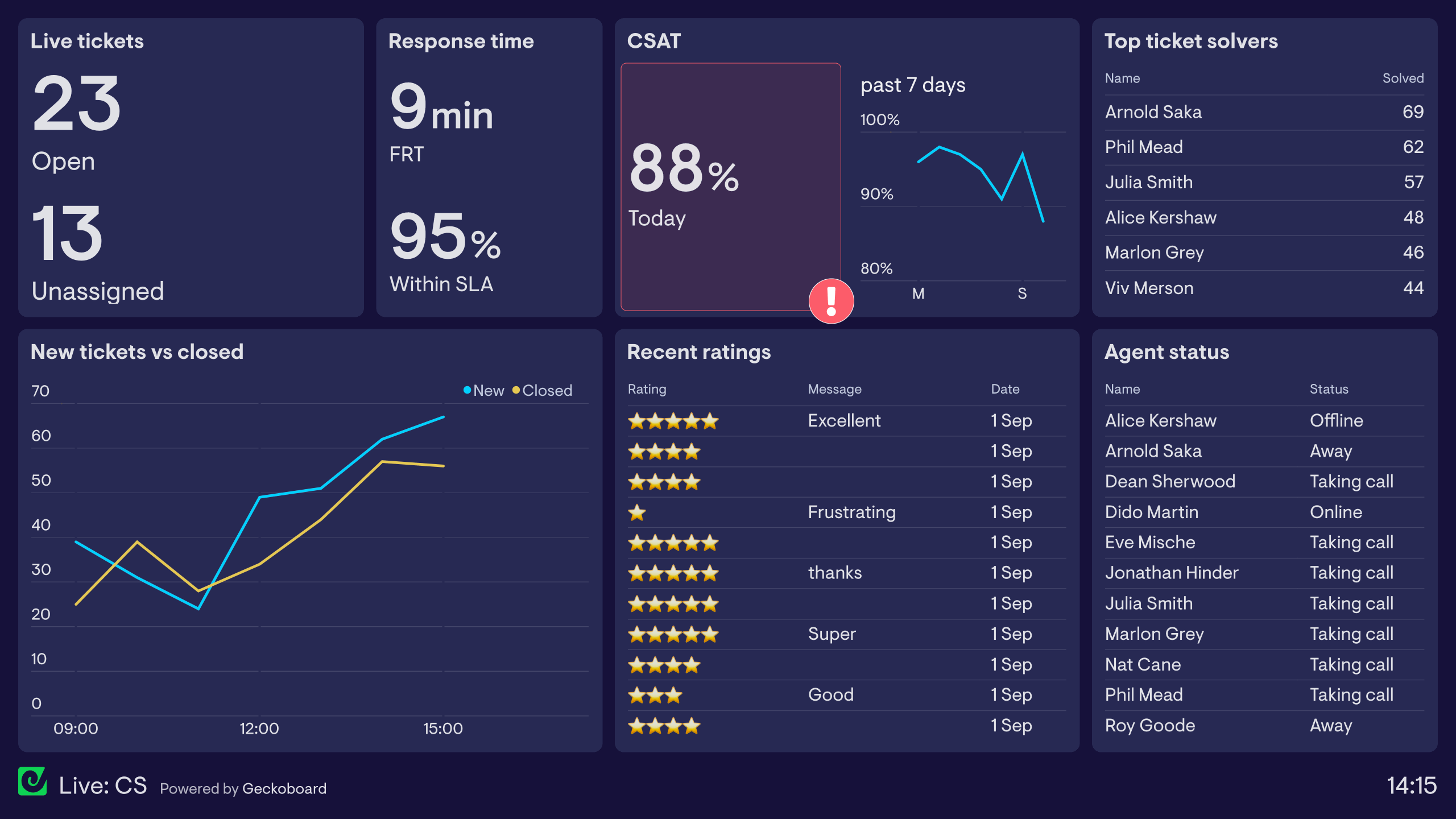

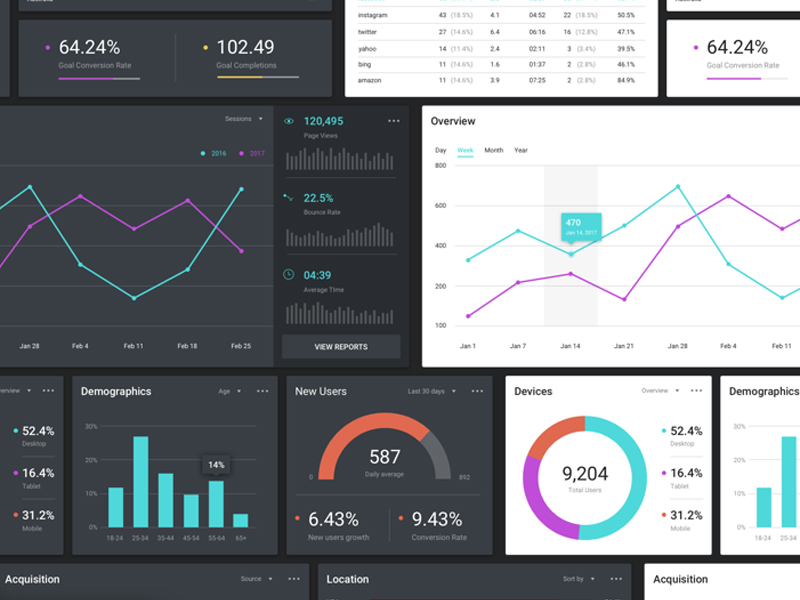
Data-driven decision-making is at the heart of digital transformation.
Modern systems allow businesses to:
- Track performance in real time
- Analyze customer behavior
- Forecast trends
- Optimize marketing campaigns
The result? Smarter strategies backed by data.
3️⃣ Customer Experience Enhancement

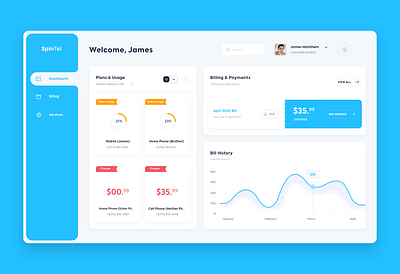


Customers expect fast, seamless digital experiences.
Digital transformation improves:
- Online platforms
- Mobile apps
- Self-service portals
- Personalization features
A better customer experience directly increases retention and revenue.
4️⃣ Cloud & Scalable Infrastructure


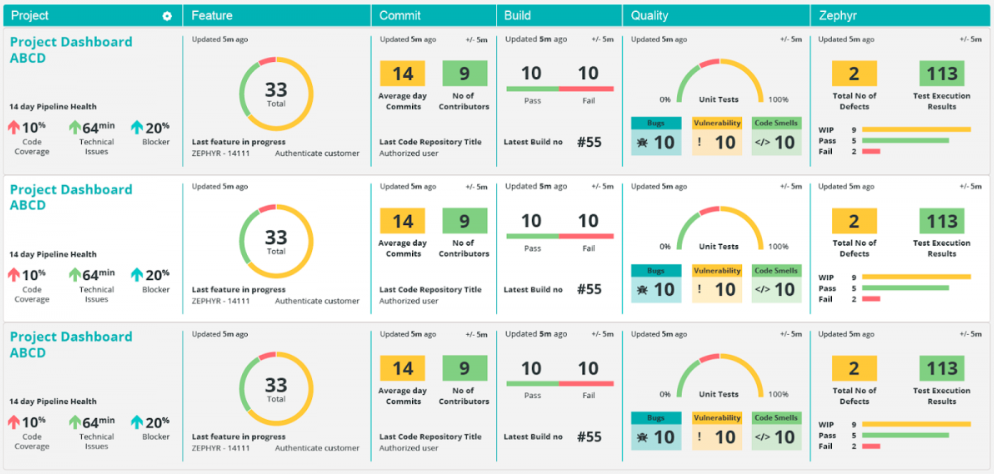

Cloud-based systems provide:
- Flexibility
- Remote accessibility
- Cost efficiency
- Scalability
Businesses can grow without constantly replacing infrastructure.
📈 Benefits of Digital Transformation
When implemented strategically, digital transformation leads to:
- Increased operational efficiency
- Lower operational costs
- Faster time-to-market
- Improved employee productivity
- Higher customer satisfaction
- Greater business agility
Companies that embrace digital transformation are better prepared to adapt to market changes.
⚠️ Common Challenges
While powerful, digital transformation can present challenges:
- Resistance to change
- Legacy systems integration
- Budget constraints
- Lack of clear strategy
Success requires strong leadership, clear objectives, and the right technology partner.
🧠 How to Start Your Digital Transformation Journey
- Identify operational bottlenecks
- Define measurable goals
- Prioritize high-impact improvements
- Invest in scalable technology
- Implement gradually with clear milestones
Transformation is a process — not a one-time project.
🚀 Final Thoughts
Digital transformation reshapes how businesses operate, compete, and grow. It empowers organizations to become more efficient, customer-focused, and data-driven.
Companies that invest in modern technology today position themselves for sustainable growth tomorrow.
If
Leave a Reply